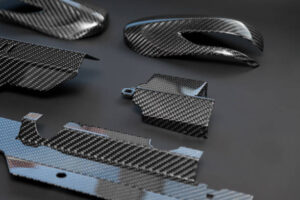
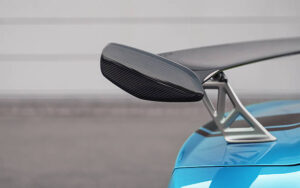
Carbon fiber is famous for its incredible strength and light weight. Many enthusiasts believe these parts are indestructible. However, the raw material actually faces several environmental enemies. Without proper care, your carbon fiber body kits can lose their brilliance. This guide explores why carbon fiber ages and how to prevent it. We provide the technical secrets to maintaining a “showroom shine” for a decade.
1. The Three Main Villains of Carbon Fiber Aging
The “aging” of carbon fiber usually happens to the resin, not the fibers. Understanding these threats is the first step toward better protection.
Ultraviolet (UV) Radiation
Sunlight is the biggest threat to high-end carbon fiber body kits. Constant UV exposure breaks down the chemical bonds in the epoxy resin. Consequently, the clear surface may turn yellow or look “cloudy.” In extreme cases, the resin begins to powder or flake away. Therefore, a car parked outdoors faces much faster aging.
High Temperature and Heat Stress
Extreme heat can soften the resin matrix over time. This is common for parts near the engine or exhaust system. Furthermore, repeated heating and cooling cycles cause microscopic expansion. Consequently, the part might warp or lose its perfect fit.
Chemical Corrosion
Daily driving exposes your car to harsh environmental chemicals. Strong car wash soaps, road salt, and bird droppings are highly acidic. These substances eat into the protective clear coat layer. Therefore, they leave permanent etch marks or dull spots on the weave.
2. Protection Strategies: Your Ten-Year Defense Plan
You can stop the aging process with a proactive maintenance routine. Follow these professional steps to shield your investment.
Apply a Premium UV Clear Coat
Most high-quality carbon fiber body kits come with a UV-resistant finish. However, adding an extra layer of automotive clear coat provides double security. This thick layer acts as a physical shield against the sun. Consequently, the harmful rays never reach the sensitive resin underneath.
Use Professional Ceramic Coatings
A ceramic coating adds a layer of extreme hardness to the surface. It creates a “hydrophobic” effect that repels water and dirt. Furthermore, it offers superior resistance to chemical etching from bird droppings. Therefore, your carbon parts stay cleaner and are easier to wash.
Perform Regular Waxing and Polishing
Treat your carbon fiber just like high-end paintwork. Apply a high-quality carnauba wax every three to four months. Waxing fills in micro-scratches and adds a deep, glossy shine. Consequently, the surface remains smooth and reflects heat more effectively.
3. Advice for Long-Term Carbon Fiber Owners
Maintaining carbon fiber body kits requires a specific mindset. Do not wait for the yellowing to appear before taking action.
-
Park in the Shade: Whenever possible, avoid direct sunlight for long periods.
-
Use pH-Neutral Soap: Avoid “heavy-duty” cleaners that strip away protective waxes.
-
Inspect Regularly: Look for small rock chips and seal them immediately.
Therefore, “good carbon fiber” is as much about maintenance as it is about manufacturing. A well-kept part will look identical on day one and year ten. As a result, your vehicle maintains its aggressive look and high resale value.
Conclusion: Real Luxury Never Fades
True automotive luxury is meant to last a lifetime. Carbon fiber aging is a manageable challenge with the right tools.
Invest in quality protection early in your ownership journey. You will enjoy the stunning depth of the weave for many years. Stop worrying about the sun and start enjoying the drive. Protect your carbon fiber body kits with the care they deserve. Your car is a masterpiece that should never show its age.


Leave a reply