
В электромобилях уже используются передовые аккумуляторные технологии, однако вес автомобиля остается одной из самых больших проблем, влияющих на эффективность и производительность.. Многие аккумуляторные батареи для электромобилей весят от 500 кг и 800 кг, что делает электромобили значительно тяжелее, чем сопоставимые автомобили с двигателями внутреннего сгорания..
Вот почему детали из углеродного волокна для электромобилей становятся все более ценными. Легкие автомобильные компоненты из углеродного волокна могут снизить массу автомобиля, повысить энергоэффективность, и улучшить динамику вождения без замены аккумуляторной системы.
Для производителей электромобилей, Модификация брендов, и поставщики автомобилей, углеродное волокно обеспечивает практическое решение для балансировки веса, сила, и производительность.
Почему снижение веса улучшает производительность электромобилей?
Как вес автомобиля влияет на запас хода электромобиля
Вес автомобиля напрямую влияет на энергию, необходимую при ускорении., восхождение, и частое вождение с остановками.
Более тяжелому транспортному средству требуется большая мощность двигателя для преодоления инерции.. Снижение ненужного веса может помочь:
- Низкое энергопотребление
- Улучшение реакции на ускорение
- Уменьшите тормозную нагрузку
- Повысьте эффективность вождения
В электромобилях, снижение веса особенно важно, поскольку аккумуляторные блоки значительно увеличивают массу по сравнению с традиционными транспортными средствами..
Часто упоминаемая инженерная оценка предполагает, что снижение веса транспортного средства может повысить эффективность., хотя фактическое улучшение дальности зависит от:
- Емкость аккумулятора
- Условия вождения
- Аэродинамический дизайн
- КПД двигателя
- Сопротивление шины
По этой причине, Компоненты из углеродного волокна следует рассматривать как часть комплексной стратегии облегчения электромобилей, а не как единое решение для увеличения запаса хода..
Насколько компоненты из углеродного волокна могут снизить вес электромобиля?
Легкие автомобильные детали из углеродного волокна заменяют тяжелые материалы
Углеродное волокно имеет высокое соотношение прочности и веса., что делает его пригодным для замены более тяжелых материалов, таких как сталь и некоторые алюминиевые компоненты..
Общие приложения электромобилей включают в себя:
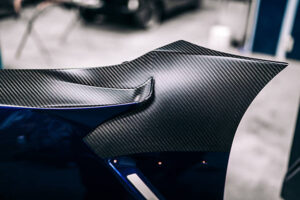
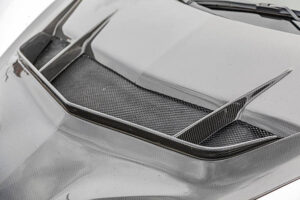
- Карбоновые капоты
- Панели крыши из углеродного волокна
- Обвесы из углеродного волокна
- Колеса из углеродного волокна
- Конструктивные элементы интерьера
По сравнению с традиционными металлическими деталями, легкие автомобильные детали из углеродного волокна можно добиться значительной экономии веса при сохранении структурных характеристик.
Фактическое снижение веса зависит от конструкции компонента., производственный процесс, и сменный материал.
Почему колеса из углеродного волокна ценны для электромобилей?
Уменьшение неподрессоренной массы улучшает реакцию электромобиля при вождении
Среди всех обновлений из углеродного волокна, колеса обеспечивают уникальные преимущества в производительности.
Колеса из углеродного волокна для электромобилей могут быть значительно легче обычных кованых алюминиевых дисков.. Некоторые конструкции колес из углеродного волокна достигают примерно 40% к 50% снижение веса по сравнению с аналогичными решениями с металлическими колесами, в зависимости от спецификаций.
Уменьшение веса колес снижает неподрессоренную массу., что влияет:
- Скорость реакции подвески
- Устойчивость при контакте с дорогой
- Обратная связь рулевого управления
- Комфорт езды
Это преимущество становится более заметным в электромобилях, поскольку электродвигатели обеспечивают мгновенный крутящий момент..
Как Instant EV Torque увеличивает требования к колесам
Электромобили развивают максимальный крутящий момент практически сразу после начала ускорения.. Это создает более высокие механические требования к:
- Колеса
- Компоненты подвески
- Соединения трансмиссии
Поэтому, колеса из углеродного волокна и другое компоненты электромобиля из углеродного волокна должны соответствовать строгим требованиям к:
| Требования к производительности | Важность для приложений электромобилей |
|---|---|
| Ударопрочность | Справляется с дорожными ударами и ударами о поверхность |
| Структурная прочность | Выдерживает больший вес автомобиля |
| Усталостная прочность | Сохраняет производительность во время повторяющихся циклов |
| Точность размеров | Обеспечивает правильную установку автомобиля. |
Компоненты из углеродного волокна, разработанные для электромобилей, должны соответствовать стандартам безопасности оригинальных металлических компонентов или превосходить их..
Как углеродное волокно адаптировано для электромобилей?
Инженерные соображения для компонентов электромобилей из углеродного волокна
Разработка деталей из углеродного волокна для платформ электромобилей требует большего, чем просто снижение веса.
Производителям необходимо учитывать:
Распределение веса аккумулятора
Электромобили обычно имеют низко расположенный аккумуляторный блок., что создает другое распределение веса по сравнению с автомобилями с двигателем внутреннего сгорания..
Компоненты из углеродного волокна должны сохранять:
- Правильный баланс
- Структурная стабильность
- Точность монтажа
Высокий выходной крутящий момент
Мгновенные характеристики крутящего момента электродвигателей требуют компонентов с превосходной усталостной стойкостью..
Детали из углеродного волокна должны выдерживать повторяющиеся силы ускорения без разрушения материала..
Требования безопасности транспортных средств
Легкая конструкция не может поставить под угрозу безопасность.
Профессиональные производители углеродного волокна оценивают:
- Грузоподъемность
- Ударопрочность
- Экологическая стойкость
- Долгосрочная производительность
Углеродное волокно по сравнению с алюминиевыми компонентами для снижения веса электромобиля
Какой материал обеспечивает лучшую легкость?
Разные материалы дают разные преимущества.
| Материал | Преимущества | Ограничения |
|---|---|---|
| Сталь | Высокая прочность и низкая стоимость | Тяжелый вес |
| Алюминий | Легкий и пригодный для вторичной переработки | Меньшая жесткость по сравнению с карбоновым волокном. |
| Углеродное волокно | Отличное соотношение прочности и веса | Повышенная сложность изготовления |
Углеродное волокно часто выбирают для электромобилей, ориентированных на производительность, где приоритетами являются экономия веса и структурная эффективность..
Что следует учитывать покупателям при выборе компонентов для электромобилей из углеродного волокна?
Контрольный список закупок для поставщиков автомобильного углеродного волокна
Для производителей электромобилей, Модификация брендов, и дистрибьюторы, оценка поставщика должна включать:
| Фактор оценки | Ключевые вопросы |
|---|---|
| Качество материала | Какая марка углеродного волокна и система смол используются?? |
| Производственный процесс | Изготовлена ли деталь с использованием технологии контролируемого отверждения?? |
| Структурные испытания | Доступны ли испытания на прочность и долговечность?? |
| Совместимость с автомобилем | Основана ли конструкция на точных данных транспортного средства?? |
| Пользовательские возможности | Может ли поставщик разработать OEM-компоненты?? |
Надежный производитель кузовных деталей из углеродного волокна должен обеспечить инженерную поддержку, постоянство производства, и решения для конкретных приложений.
Углеродное волокно поддерживает будущее конструкции легких электромобилей
Стоимость детали из углеродного волокна для электромобилей выходит за рамки улучшения внешнего вида. За счет снижения веса, улучшение реакции подвески, и поддержка высокопроизводительных приложений, углеродное волокно помогает решить некоторые ключевые проблемы разработки электромобилей.
Колеса из углеродного волокна, панели кузова, и структурные компоненты предоставляют возможности для повышения эффективности и динамики движения при сохранении требований к прочности..
Для компаний, занимающихся поиском изготовленные на заказ автомобильные компоненты из углеродного волокна, выбор поставщика с опытом работы с материалами, инженерные возможности, и опыт применения электромобилей необходим для достижения надежной работы.
ДРУГОЙ специализируется на индивидуальных автомобильных компонентах из углеродного волокна, предоставление легких решений, точное производство, и поддержка разработки OEM для мировых автомобильных брендов и рынков модификации электромобилей.





Оставить ответ