Carbon fiber is much more than a lightweight material. It is a masterpiece of engineering and textile art combined. Choosing the right weave defines both the look and the strength of a car part. Consequently, enthusiasts must understand these patterns before upgrading their vehicles. This guide explores the diverse world of custom carbon fiber car parts. We help you decode the technical differences between popular weaving styles. Discover how the right weave enhances your car’s performance and style.
1. Decoding the “K”: What Does 3K and 12K Mean?
2. Plain Weave vs. Twill Weave: Style Meets Function
The performance and appearance of a material begin at the microscopic level—specifically, in the way its fibers are woven together. By understanding different weave structures, you can better control how a material responds to stress, flexibility, and light reflection.
Plain Weave: Strength Through Simplicity
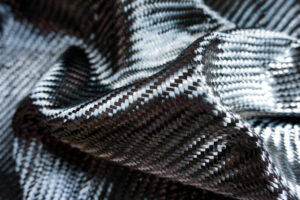
In a plain weave, fibers follow a straightforward over-under pattern, forming a structure similar to a checkerboard. As a result, this configuration delivers exceptional stability and effectively resists stretching or deformation under pressure. Moreover, it maintains its original shape even in demanding mechanical environments. In addition to its strength, the uniform pattern creates a clean, symmetrical appearance, making it highly suitable for interior trims and smaller structural components. Therefore, manufacturers often choose plain weave as the foundation for parts that require maximum reliability and structural integrity.
Twill Weave: Flexibility Meets Visual Impact
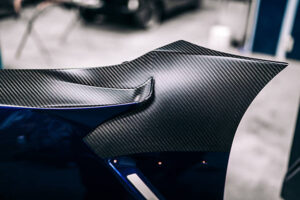
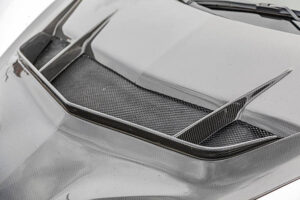
In contrast, twill weave introduces a distinctive diagonal pattern, commonly arranged in “2×2” or “4×4” sequences. Because of this structure, the material becomes more flexible and can easily conform to complex curves and contours. At the same time, it uniquely interacts with light, producing a rich, three-dimensional shimmering effect that enhances visual appeal. Furthermore, most custom carbon fiber automotive components adopt 3K twill weave to achieve that signature high-performance “racing” aesthetic. As a result, it has become the preferred choice for visually prominent parts such as hoods, spoilers, and mirror caps.
3. Forged and Specialty Weaves: The Premium Edge
Modern technology has introduced even more exotic patterns for high-end builds.
Forged Carbon Fiber: Chaos and Beauty
Instead of weaving, forged carbon uses chopped fibers mixed with resin. Consequently, every single part features a unique, marbled pattern that never repeats. It provides excellent strength in every direction simultaneously. Furthermore, it offers an incredibly high-gloss finish that stands out at any car show. Therefore, it is the ultimate luxury choice for steering wheels and accent pieces.
Satin and Matte Finishes
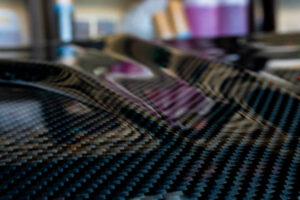
You can also choose between different topcoat finishes to match your style. Consequently, a satin finish provides a stealthy, understated appearance. A high-gloss clear coat maximizes the visual depth of the weave underneath. Furthermore, these coatings protect the delicate fibers from UV yellowing and road debris. Therefore, the finish is just as important as the weave itself.
4. Choosing the Best Weave for Your Project
Different areas of the car require different physical properties.
-
Exterior Aero: Use 3K Twill for the best balance of weight and aesthetics.
-
Chassis Parts: Opt for Plain Weave to ensure maximum structural rigidity.
-
Large Panels: Select 12K to achieve a bold, aggressive look on big surfaces.
-
Signature Details: Choose Forged Carbon for a truly one-of-a-kind appearance.
Consequently, you optimize both the form and function of your vehicle. High-quality custom carbon fiber car parts transform a standard ride into a supercar. Furthermore, professional weaving ensures there are no distorted patterns or “pulls” in the fabric. Therefore, you should always insist on precision-manufactured carbon components.
Conclusion: Weaving Your Way to Automotive Excellence
The right carbon fiber weave is a statement of your technical knowledge.
Stop settling for generic plastic or low-quality fiberglass imitations. Instead, embrace the high-tech beauty of authentic, performance-grade carbon fiber patterns. Consequently, your car will perform better and turn more heads on the street. Experience the incredible strength and gloss of professional-grade weaving today. Your vehicle deserves the elite touch of a masterfully crafted carbon finish.



Leave a reply