
In der Entwicklung von Luxusfahrzeugen, Materialien definieren seit jeher den Standard der Exzellenz. Seit Jahrzehnten, Stahl stand für Stärke und Zuverlässigkeit, while aluminum marked a transition toward performance and efficiency. Heute, custom carbon fiber has become the emblem of modern automotive prestige. It is no longer reserved for racing prototypes—it is shaping the future of road-going luxury and performance vehicles.
Custom carbon fiber combines artistry and engineering into one seamless expression of innovation. Its unique weave patterns, high strength-to-weight ratio, and visual appeal make it the preferred material for brands aiming to merge aesthetics with advanced functionality. As automakers and enthusiasts alike seek both performance and personality, carbon fiber has risen to meet this dual demand.
1. The Power of Lightweight Strength
The foundation of carbon fiber’s success lies in its structural advantages. Carbon fiber composites are made from tightly woven fibers bound by resin, forming a material that is five times stronger than steel yet significantly lighter. This duality of strength and lightness has transformed how vehicles perform and feel.
By reducing vehicle weight, manufacturers enhance acceleration, Handhabung, and braking. Every kilogram saved translates to better responsiveness and efficiency. In high-performance cars, even minor reductions in mass can make measurable differences on the track. Jedoch, in the luxury segment, the benefits extend beyond numbers—they redefine comfort, agility, and driving confidence.
Darüber hinaus, custom carbon fiber allows designers to reinforce critical areas selectively. By tailoring the weave direction and density, engineers can optimize strength where it matters most, ensuring structural integrity without unnecessary weight.
2. Aesthetic Precision and Design Freedom
Beyond its mechanical superiority, custom carbon fiber offers an unmatched visual signature. Its distinctive woven texture reflects light with a subtle depth that paint or metal cannot replicate. For premium brands, this aesthetic precision is not just decoration—it is identity.
Each panel, whether a hood, mirror cap, or spoiler, tells a story of craftsmanship. The weave patterns can be customized, colored, or even aligned to match the vehicle’s contours. This level of design flexibility turns functional components into art pieces.
In recent years, automakers have started to integrate visible carbon fiber as a core design statement. From matte finishes that express understated confidence to glossy surfaces that emphasize luxury performance, carbon fiber balances utility with beauty.
3. Anpassung: Tailoring Innovation to Identity
The rise of custom carbon fiber automotive parts reflects a shift in consumer priorities. Modern luxury car buyers seek individuality—they want materials that reflect their lifestyle and taste. Custom carbon fiber allows manufacturers and aftermarket specialists to meet these expectations with precision.
Each carbon fiber component can be shaped, textured, and finished to exact specifications. Clients can select from various weave patterns, such as twill, plain, oder geschmiedetes Carbon, each offering a distinct aesthetic tone. These options provide a sense of exclusivity that no mass-produced part can match.
Außerdem, custom carbon fiber body kits offer more than appearance—they improve aerodynamics. Carefully designed spoilers, diffusers, and side skirts manage airflow to reduce drag and enhance stability. The result is a harmonious blend of performance and elegance, engineered down to every millimeter.

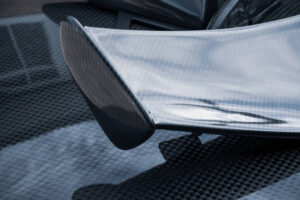
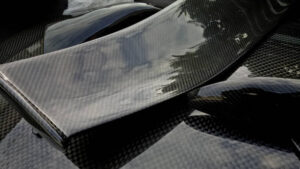
automotive part product made by carbon fiber composite
4. Performance Meets Sustainability
While carbon fiber’s performance appeal is undeniable, its environmental benefits are equally significant. As the automotive industry moves toward sustainable solutions, leichte Kohlefaser contributes to fuel efficiency and lower emissions.
Reducing vehicle mass directly decreases the energy required for acceleration and braking. This efficiency supports cleaner mobility without compromising performance. Darüber hinaus, advancements in carbon fiber production have made it more environmentally friendly. Recyclable resins and reclaimed fiber technologies are expanding, allowing for a more circular approach to manufacturing.
For electric vehicles, weight reduction is even more critical. Lighter bodies extend battery range, enabling longer drives with fewer charges. Thus, carbon fiber plays a vital role not only in luxury performance but also in sustainable innovation.
5. Engineering Precision: The Craft Behind the Material
Every custom carbon fiber part begins as thousands of thin filaments, each thinner than a human hair. These fibers are woven into sheets, layered, and molded under extreme heat and pressure. The process requires meticulous attention to detail, as even small imperfections can affect structural integrity.
Automation has improved consistency, but craftsmanship remains essential. Skilled technicians align fibers, control resin flow, and ensure flawless curing. The result is a composite material that combines the best of science and artistry.
This balance between technology and handcrafting defines the allure of custom carbon fiber. It embodies the philosophy of precision manufacturing—each panel, bracket, or trim piece stands as a testament to human innovation.
6. The Symbolism of Carbon Fiber in Modern Luxury
Luxury has evolved beyond opulence—it now represents purposeful sophistication. Custom carbon fiber captures this new definition perfectly. Its minimal weight, maximal strength, and subtle elegance appeal to those who value intelligent design over excess.
In performance vehicles, it conveys agility and control. In luxury sedans and SUVs, it communicates refinement and modernity. Across all categories, carbon fiber signals progress—a move toward smarter, more efficient engineering without sacrificing aesthetic allure.
Darüber hinaus, the tactile experience of carbon fiber—its cool texture and intricate weave—evokes a sense of connection between driver and machine. This emotional response is why carbon fiber continues to dominate the premium automotive narrative.
7. Beyond Cars: Expanding Horizons of Carbon Fiber Innovation
The influence of custom carbon fiber extends beyond the automotive realm. The same principles of lightweight strength apply to aerospace, marine, and sporting industries. Jedoch, its development within the automotive sector continues to set benchmarks for others.
Manufacturers now explore hybrid materials, combining carbon fiber with aluminum or titanium for enhanced flexibility. These innovations reduce production costs while maintaining the material’s core strengths. As technology advances, we can expect broader adoption, from mid-range performance cars to mainstream electric vehicles.
Ultimately, carbon fiber is more than a material—it is a platform for continuous innovation. Its versatility ensures that it will remain at the center of design evolution for years to come.
 8. The Challenge of Perfection: Cost and Accessibility
Despite its advantages, carbon fiber remains a premium material. Production is complex, time-consuming, and requires specialized equipment. Jedoch, as technology advances and demand grows, these barriers are steadily falling.
Automated layup systems, faster curing resins, and scalable manufacturing are reducing costs. Infolge, custom carbon fiber automotive parts are becoming more accessible to both automakers and individual enthusiasts.
This democratization marks the next phase of carbon fiber’s journey—from exclusive supercars to everyday performance vehicles. Soon, its benefits will extend beyond luxury, reshaping how we define value in automotive engineering.
9. The Future: Leicht, Connected, and Intelligent
The future of automotive design lies in integration—of materials, technology, and experience. Custom carbon fiber will play a central role in this vision. With embedded sensors, conductive coatings, and smart composites, next-generation carbon fiber components will not only support but also communicate.
Imagine a carbon fiber panel that detects stress, temperature, or impact in real time. This intelligent material will redefine maintenance and safety. Darüber hinaus, 3D printing technologies will allow more complex, organic designs that push current limitations.
In the luxury automotive sector, innovation will remain synonymous with individuality. As such, custom carbon fiber will continue to bridge the gap between advanced engineering and personalized design, setting new standards for what premium truly means.
Abschluss: The Lightweight Future of Luxury
Custom carbon fiber represents more than a technological advancement—it embodies a design philosophy. It captures the essence of modern luxury: precision, Leistung, and personality. By uniting strength and elegance, it challenges the old notion that durability must come with weight.
As the automotive industry evolves, this material will remain its defining symbol of progress. It transforms cars from mechanical machines into crafted masterpieces—each one lighter, faster, and more expressive than ever before.
In every weave and contour, carbon fiber reflects the spirit of innovation that drives the industry forward. And as it continues to shape the next generation of premium vehicles, it reaffirms one truth: the future of luxury is lightweight, and its material is carbon fiber.





Hinterlassen Sie eine Antwort